
Why Aspen Leaves Turn Gold: A Fraser Photo Essay
Every fall, the hillsides around Fraser turn into a sea of gold. It happens fast, it happens almost all at once, and it happens for reasons that are stranger and more interesting than most people realize.
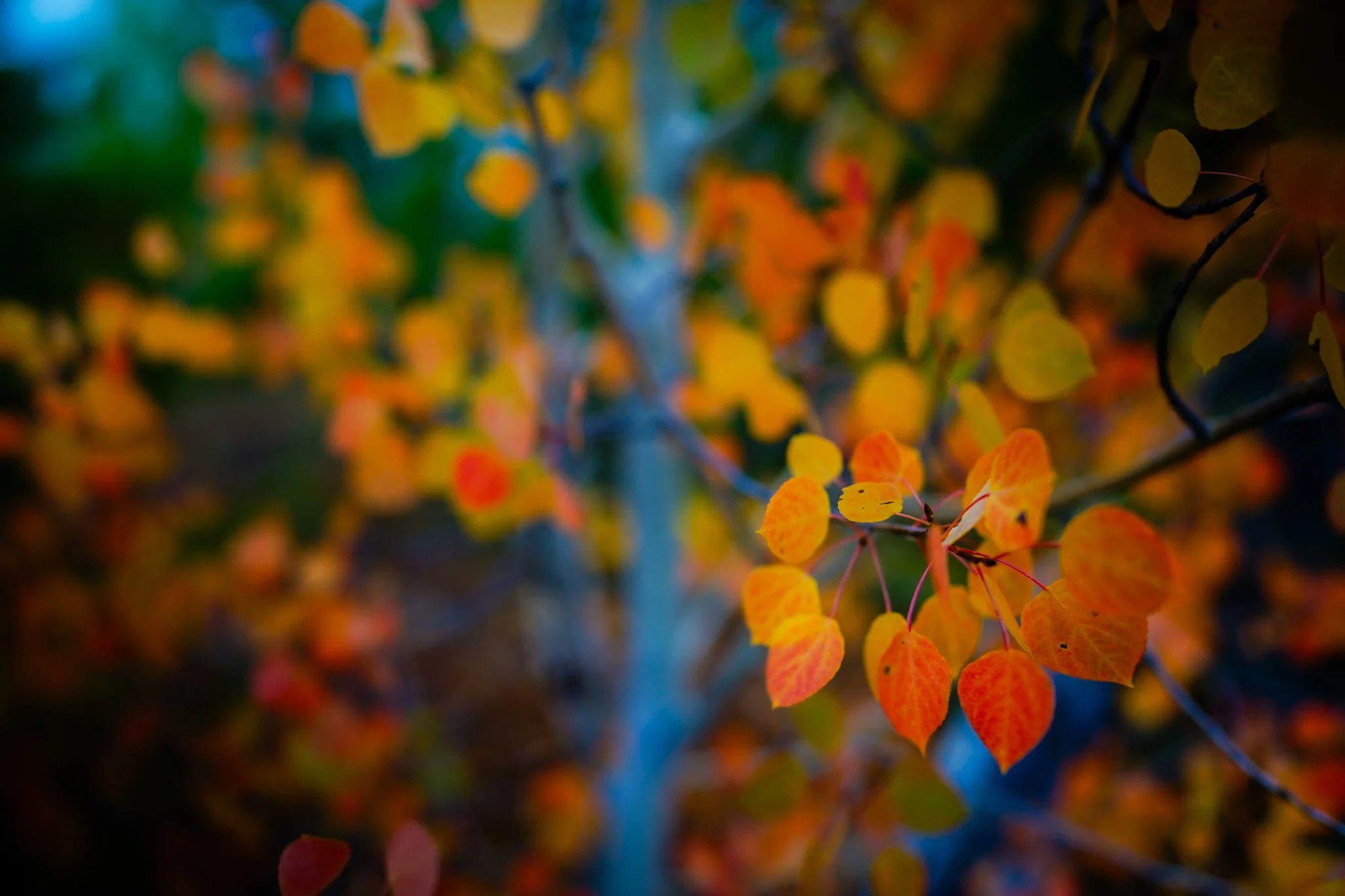
The color was always there.
An aspen leaf isn't really green. It's green and gold at the same time, all summer long. The gold comes from carotenoids, the same pigment family that colors carrots and egg yolks. Chlorophyll just happens to be produced in much larger quantities, and it's so good at absorbing light that it completely masks the gold underneath.
As long as the tree is actively photosynthesizing, chlorophyll gets replenished as fast as it breaks down. The green wins. The gold waits.
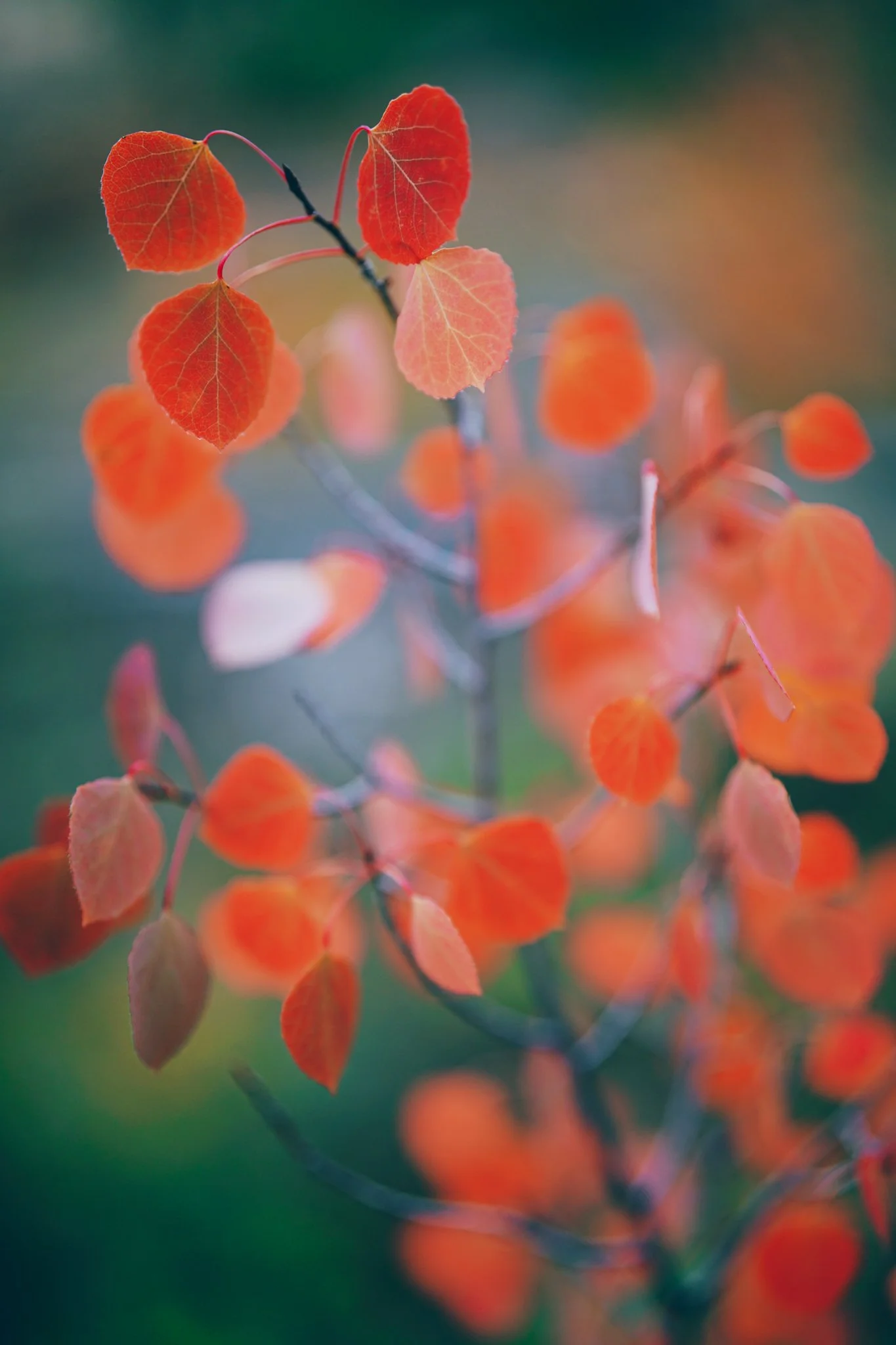
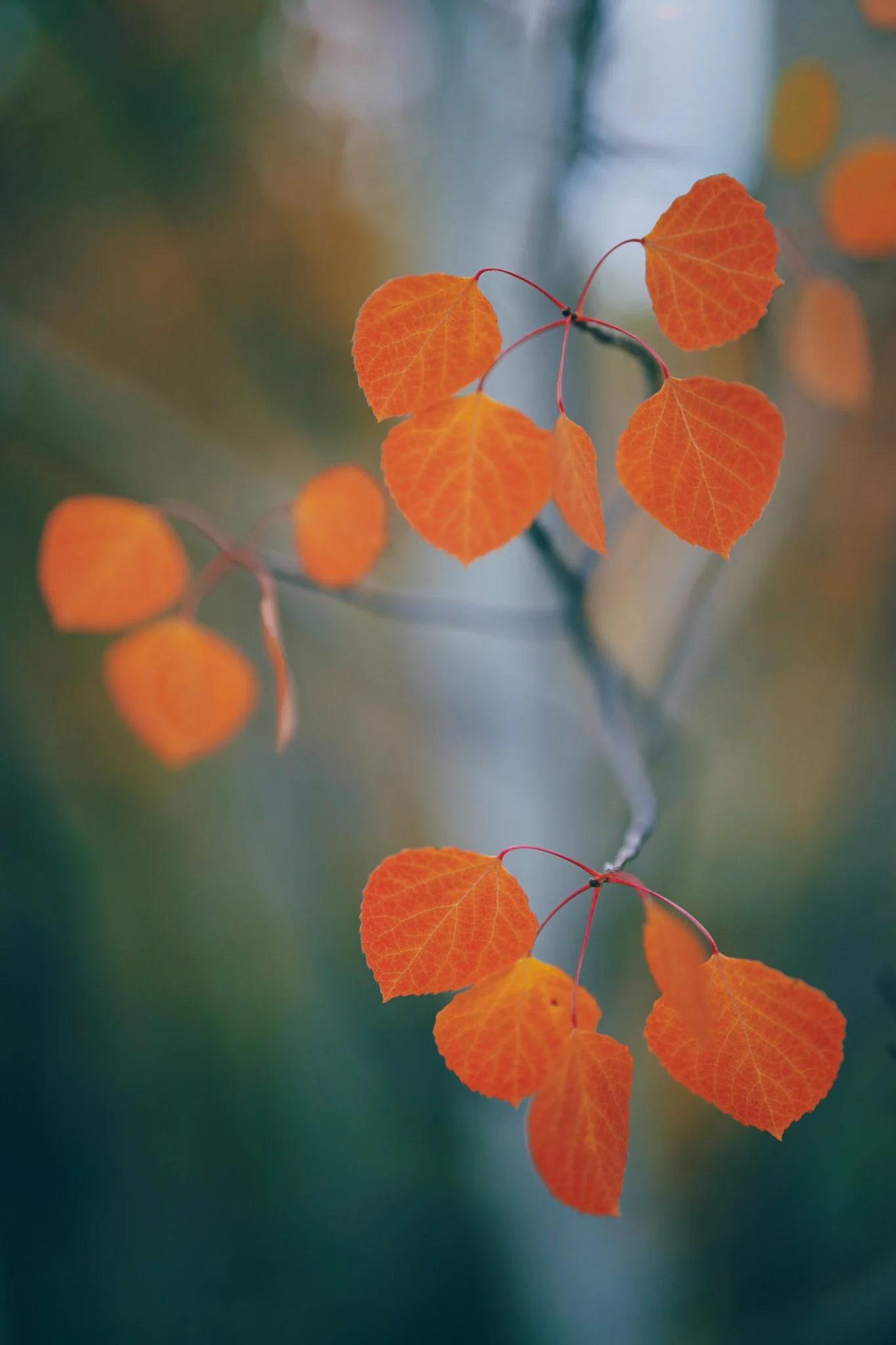
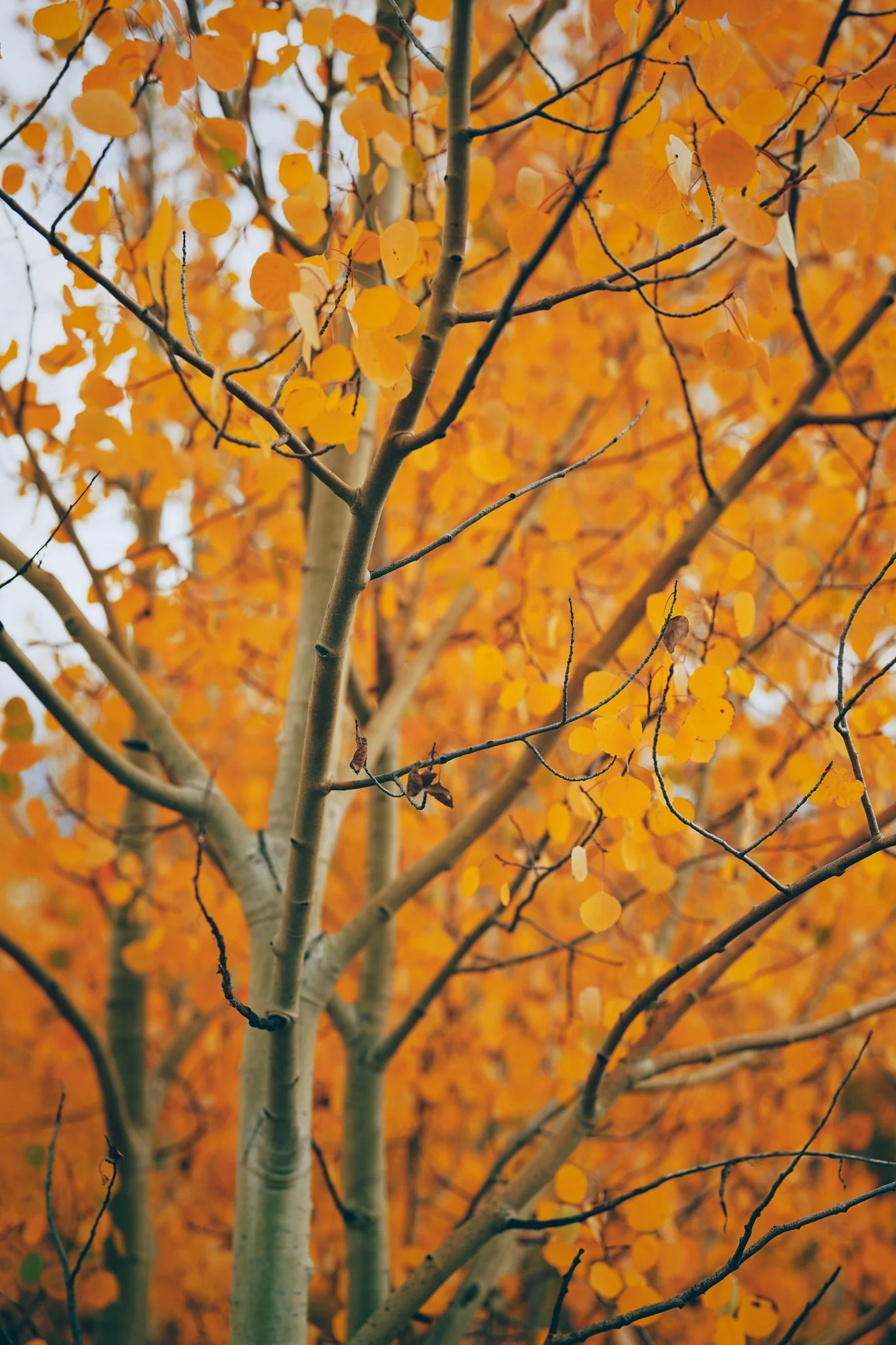
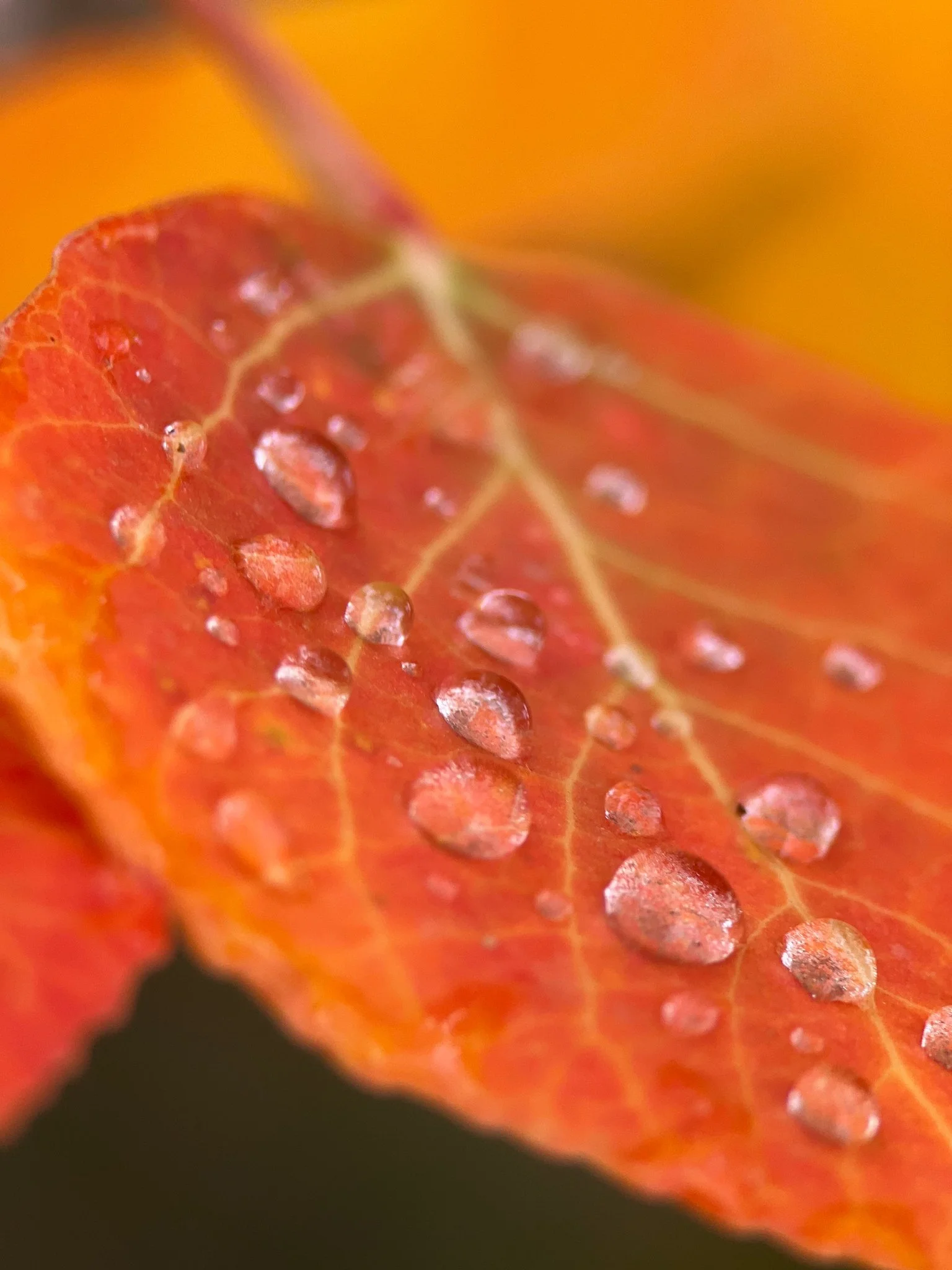
The trigger isn't temperature. It's daylight.
Aspens track the shortening days, not the cold. As nights lengthen through late summer, a layer of cells starts forming at the base of each leaf stem, called the abscission layer. It slowly closes off the flow of water and nutrients between the leaf and the branch.
Once that flow is cut, chlorophyll production stops, and the chlorophyll already in the leaf starts breaking down. It's the first pigment to go.
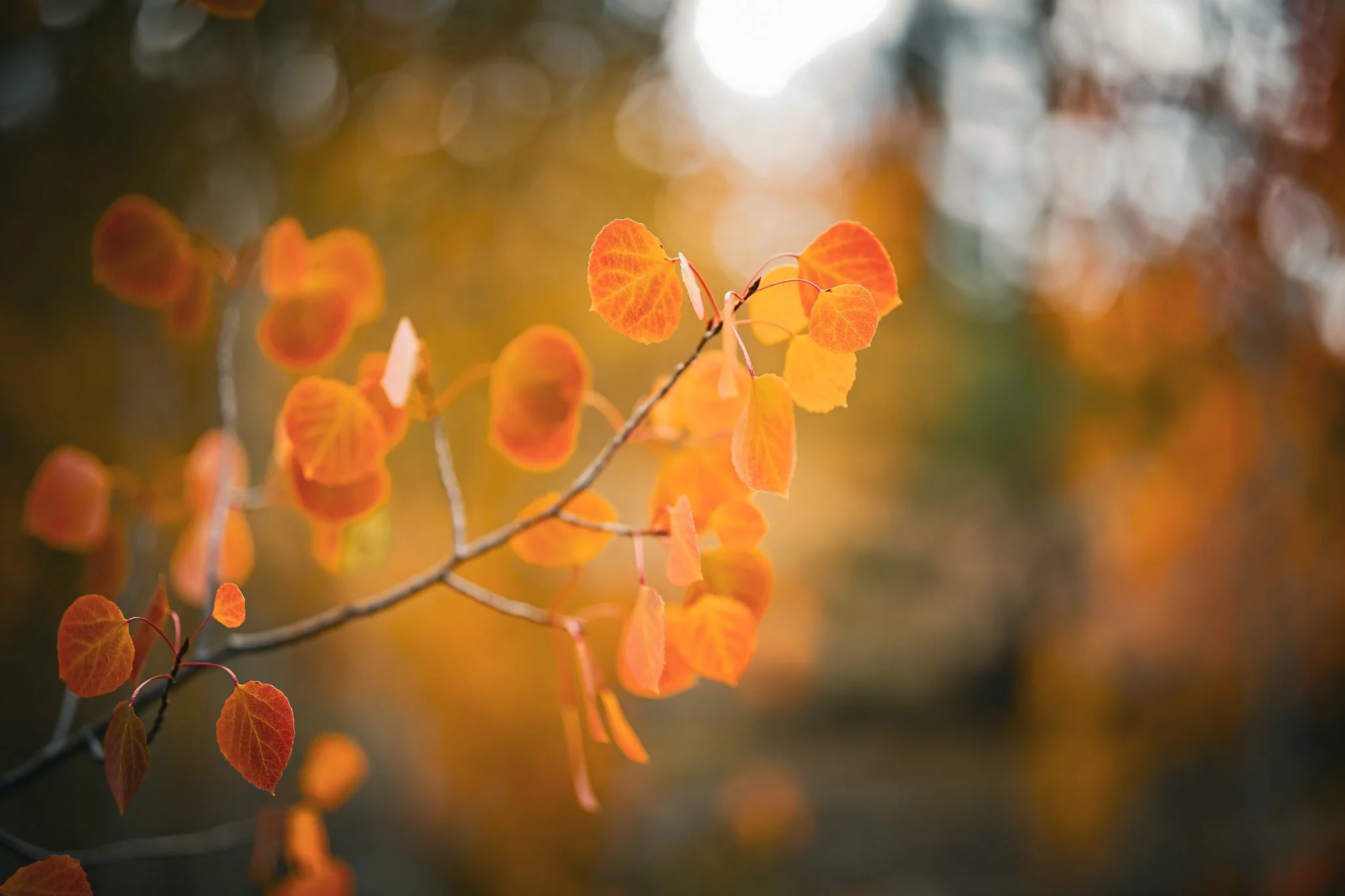
When the green fades, the gold that was there all along finally shows through.
This is the moment worth chasing with a camera. Nothing is being added to the leaf. The gold isn't new, it's just been unmasked. That's why the transition can look almost like a photograph developing: the color emerges rather than arrives.
Unlike maples and oaks, aspens generally don't produce new red or purple pigments (anthocyanins) as they change. That's a separate, more energy-intensive process, and aspens mostly skip it. That's why you get that clean, consistent gold instead of the reds and oranges you see in eastern hardwood forests.
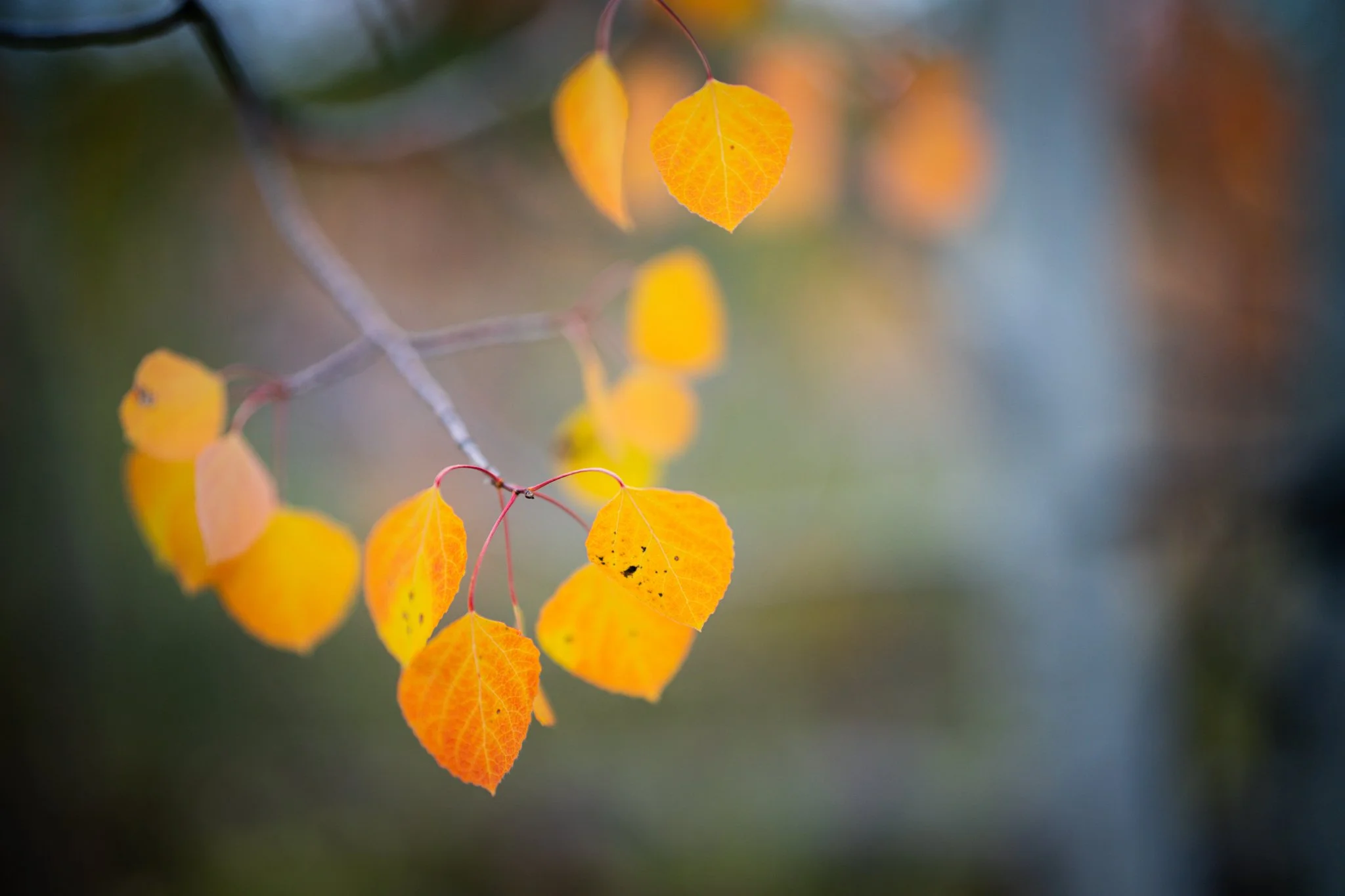
Why the whole grove turns at once.
This is the part that surprises most people: a stand of aspens is very often a single organism. Aspens spread through a shared root system, sending up new trunks (called ramets) that are genetically identical clones of one another. A whole hillside of "trees" can technically be one individual, connected underground.
Because they share the same genetics and the same root network, they respond to the shortening days on nearly the same internal clock. That's why aspen color doesn't creep gradually across a hillside the way it might in a mixed forest. It arrives in blocks, sometimes almost overnight, one genetic individual at a time.
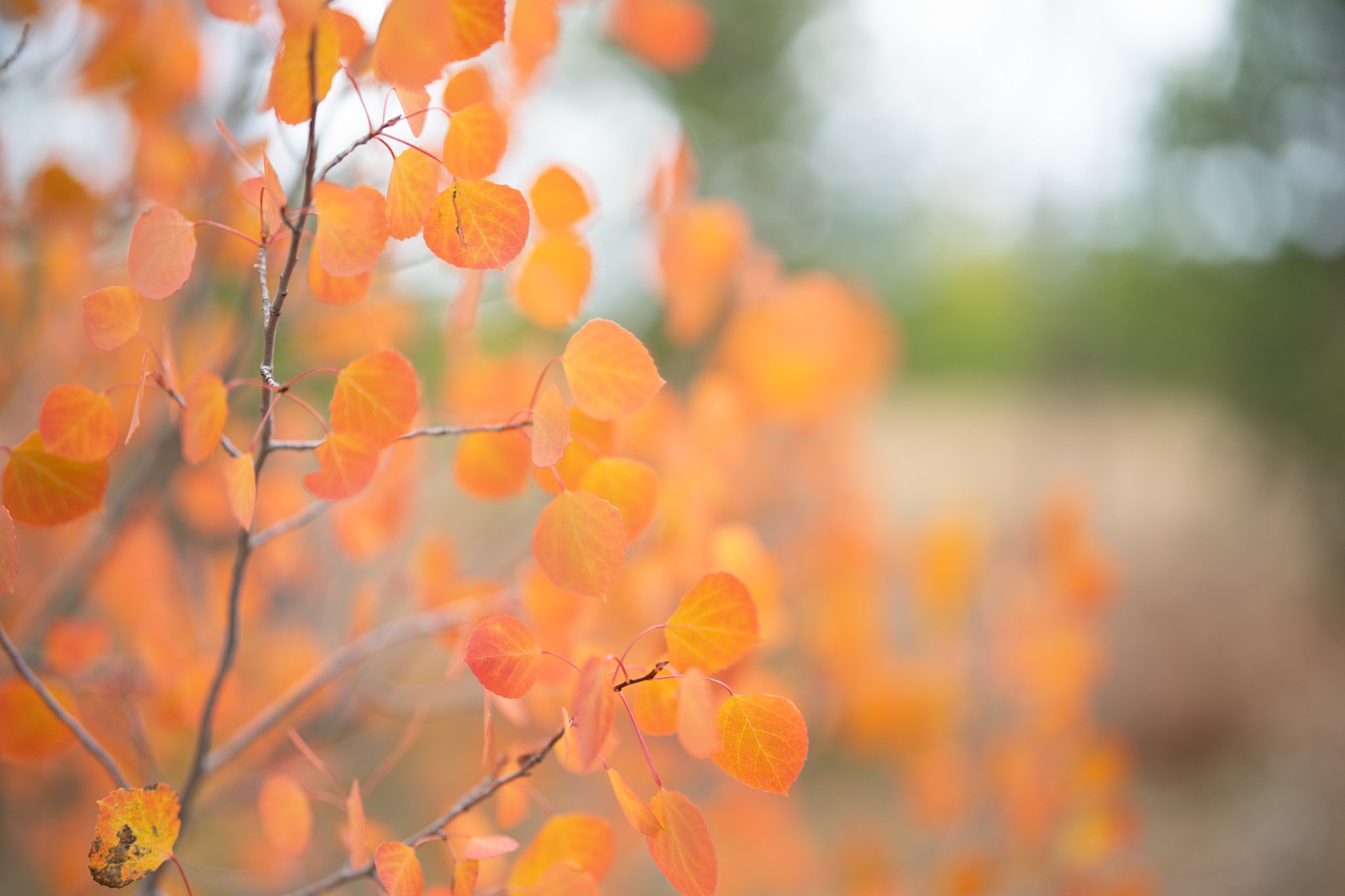
Why some years are more vivid than others.
Daylight sets the timing, but weather sets the intensity. A summer with good moisture followed by cool, sunny (not freezing) fall nights tends to produce the most saturated color, because the leaf holds onto its sugars a little longer before the abscission layer fully closes. A stressed, drought-heavy summer, or an early hard freeze, can cause leaves to skip the vivid stage and go straight to brown and drop early.
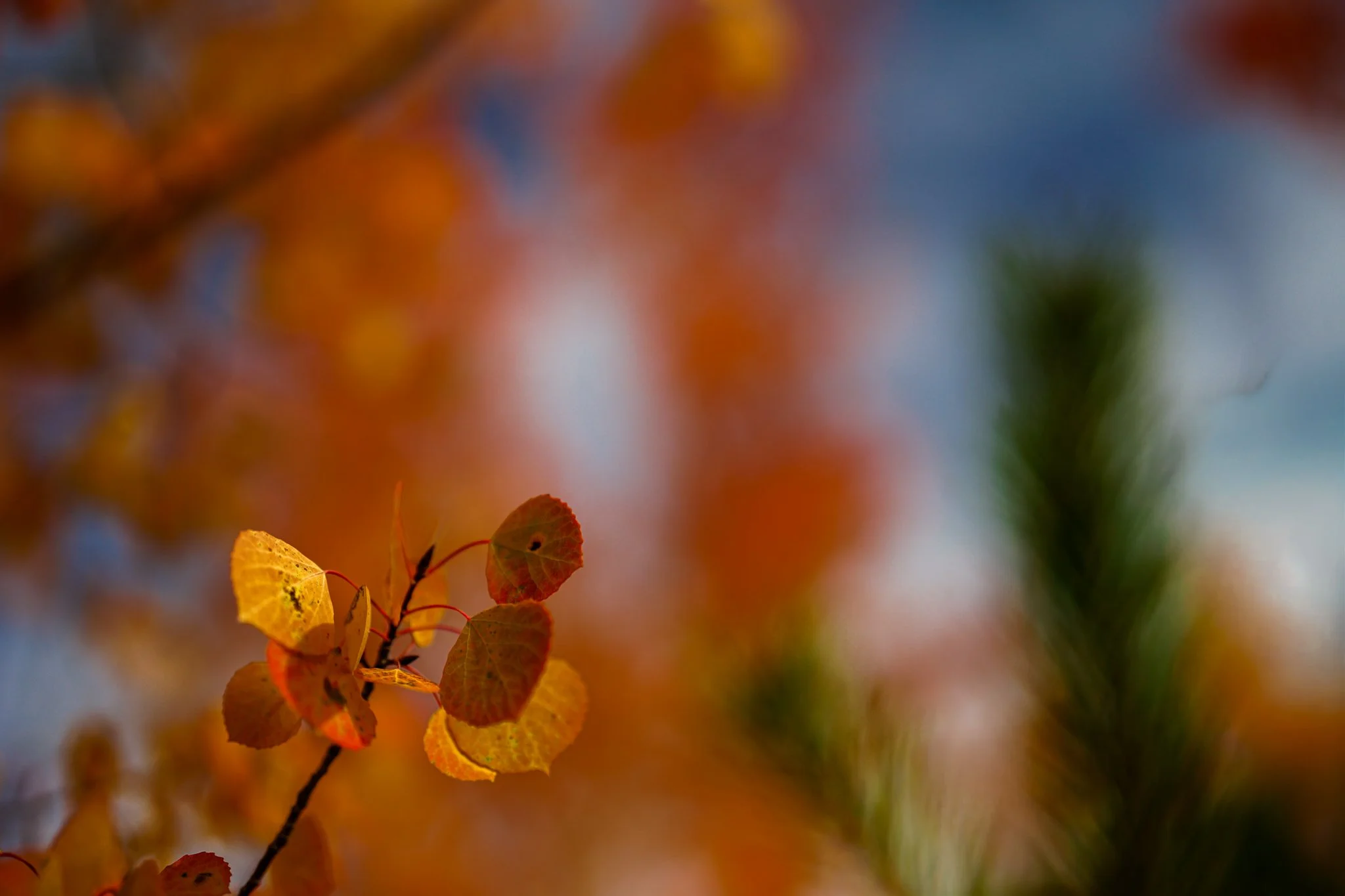
The tree isn't done working.
Right before the abscission layer fully seals, the tree pulls back as many nutrients as it can from the leaf, sugars, and other usable compounds, and stores them in the roots for winter and for next spring's growth. Dropping the leaf isn't a loss. It's the last step of a very efficient withdrawal.